


In the week of January 18th, 2016 director of the Center Volodymyr Dubovyk appeared three times at events at various London-based think-tanks.
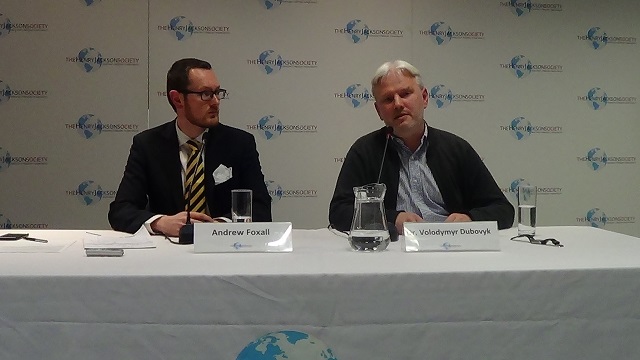
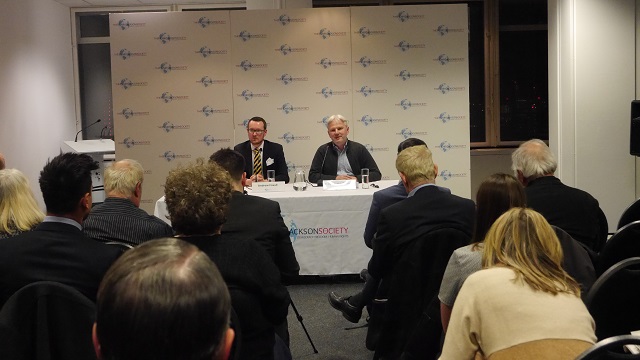
On January 19th he spoke on “What does Ukraine crisis reveals about the West?” at the event hosted jointly by the Henry Jackson Society and Ukrainian Institute London. The crisis in Ukraine, beginning in late 2013, brought the world to the brink of a new Cold War. As Russia annexed Crimea and invaded Ukraine’s eastern regions, the EU and U.S. imposed unprecedented sanctions against Moscow as relations between Russia and the West fell to an all-time low. Russia’s actions have been understood as an attempt to unravel the international order.
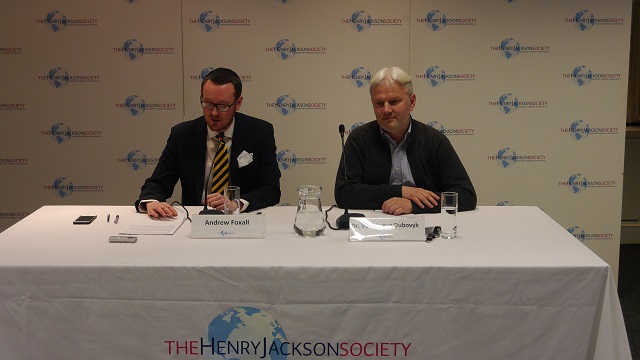
But what did the Ukraine crisis reveal about the West? Where does the crisis leave European Union and NATO eastward expansion? Did the crisis mark the start of a new period of international order? And, two years since the crisis begun, does Ukraine still matter to the West? The speaker has addressed these and other questions.
On January 21st V. Dubovyk has participated in the panel together with Olga Onuch (The University of Manchester) in a panel “Local forces for change: Can Odessa provide impetus for reform in Ukraine?” that was held at the Chatham House.
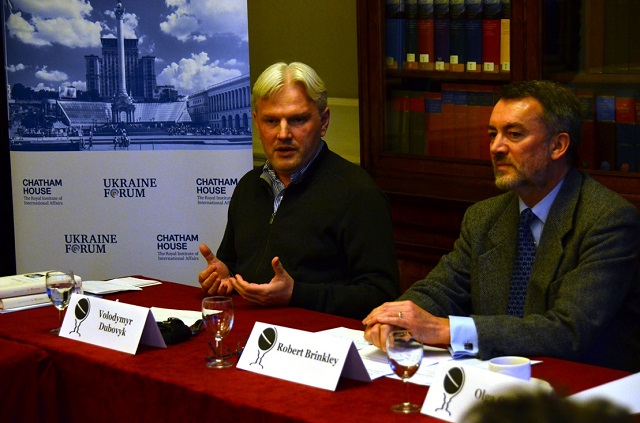
The prospect of decentralization and delegation of more authority to communities and cities is welcomed by many Ukrainians. There is hope that this process will make decision-making more effective, curb corruption and improve public services.
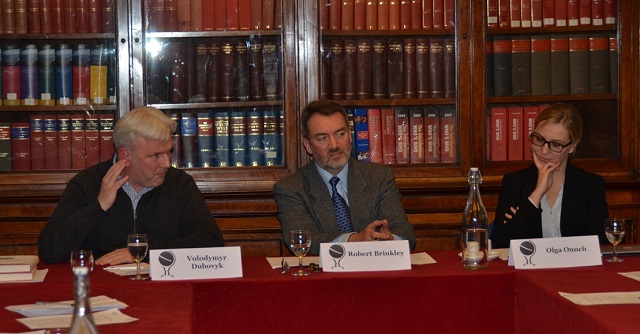
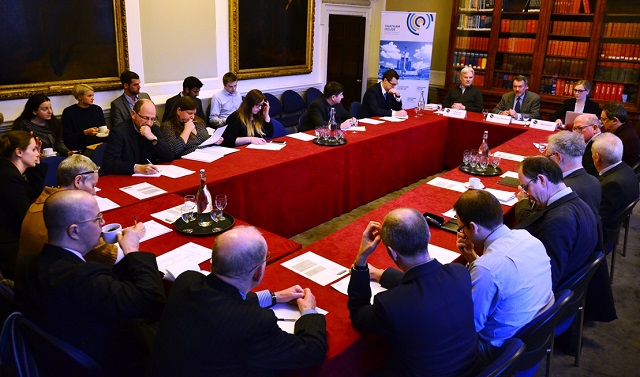
This roundtable analysed the regional dimension of governance reform, with a particular focus on Odessa. It looked at the evolution of popular mobilization at the local level. Can citizens push for reforms in their communities? What are the lessons learnt from reforming the Odessa region? Is the region’s leadership helping the process and its experience to be emulated by other regions in the country?
For more information please visit the Chatham House webpage or on Twitter @CHUkraineForum
On January 22nd V. Dubovyk has provided a briefing at the breakfast meeting at the Centre for European Reform. As in most countries, outsiders’ views of what the Ukrainian population thinks about important issues are heavily influenced by what is said in the capital. A political elite which has largely staked its future on integration with the EU has a clear interest in claiming that the country is behind this policy. But what is the reality? Do other parts of Ukraine, including those like Odesa which have been particularly targeted by Russian propaganda, share Kyiv’s enthusiasm for Europe? As the EU-Ukraine Deep and Comprehensive Free Trade Agreement enters into force, how much do people in Ukraine’s regions know about the opportunities it offers the Ukrainian economy, or the reforms it may demand? How well are the Ukrainian government and the EU doing in explaining what the Association Agreement means to Ukraine, and what its limitations are? Professor V. Dubovyk has explored these questions in his presentation.


